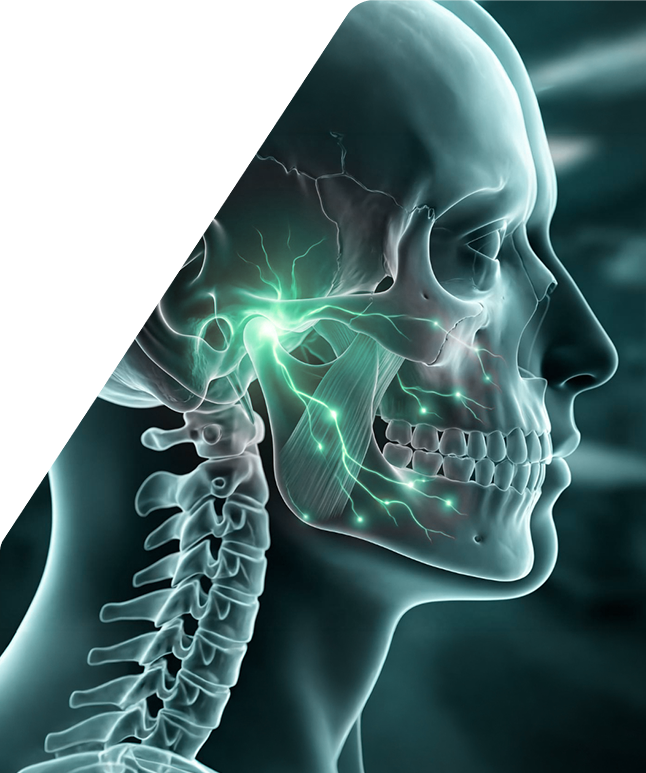
Jaw discomfort and chronic tension are often signs that the joint is not functioning properly. Untreated TMJ issues can worsen over time and affect daily activities such as speaking, eating, and sleeping. Treatment can help:
Relieve Jaw Pain and Tension
Reduce discomfort in the jaw, face, neck, and surrounding muscles.
Improve Jaw Movement
Restore smoother opening and closing of the mouth.
Reduce Headaches
Address chronic headaches and facial pain linked to TMJ dysfunction.
Minimise Clicking or Locking
Improve joint stability and movement.
Prevent Further Wear
Reduce strain on teeth caused by grinding or clenching.
Early management can help prevent long-term complications and improve overall comfort and quality of life.
Your dentist evaluates jaw movement, bite alignment, and muscle sensitivity.
Imaging may be recommended to examine joint structure if needed.
Options are tailored to your symptoms and severity.
Treatment often begins with non-invasive options such as oral appliances or bite adjustments.
Regular reviews track progress and ensure symptom relief.
If you experience ongoing symptoms, a professional assessment can determine the cause and guide the best treatment approach.
Reduce grinding and relieve jaw strain during sleep.
Correct uneven pressure contributing to joint stress.
Help manage habits that increase jaw tension.
Complex cases may require collaboration with oral or medical specialists.
Mild cases may improve, but persistent symptoms should be professionally assessed to prevent worsening.
Stress-related clenching and grinding can contribute, though causes vary between individuals.
Most TMJ conditions are managed successfully with non-surgical treatments.
Improvement depends on severity, but many patients notice relief once treatment begins.